In a world often characterized by excess, the minimalist lifestyle has emerged as a refreshing antidote. Minimalism is not just about reducing physical possessions; it’s a philosophy that encourages individuals to simplify their lives, focus on what truly matters, and cultivate a sense of clarity and purpose. This article delves into the principles of minimalism, the benefits it offers, and practical steps for embracing a simpler, more intentional way of living.
At its core, minimalism is about stripping away the unnecessary to make room for the essential. This can manifest in various aspects of life, from decluttering our living spaces to simplifying our schedules and commitments. By reducing distractions and eliminating excess, individuals can create an environment that fosters peace and productivity. The journey to minimalism often begins with a desire to reclaim time, space, and energy, ultimately leading to a more fulfilling existence.
One of the most significant benefits of adopting a minimalist lifestyle is the reduction of physical clutter. Clutter can be overwhelming, both visually and mentally. It often distracts us from our goals and adds stress to our lives. By systematically decluttering our homes, we can create a calming environment that promotes focus and creativity. Start by tackling one area at a time, whether it’s a room, a closet, or even a single drawer. As you sort through your belongings, ask yourself whether each item adds value to your life. If not, consider donating or recycling it. This process not only frees up space but also encourages a mindset of intentionality regarding our possessions.
Minimalism extends beyond physical possessions; it also applies to our mental and emotional landscape. In today’s fast-paced world, many individuals find themselves juggling numerous responsibilities, commitments, and distractions. By prioritizing what truly matters, we can simplify our lives and reduce stress. This may involve saying no to social obligations that don’t align with our values, limiting screen time, or even reducing our commitments at work. The key is to create a balanced life that allows for meaningful connections and experiences without feeling overwhelmed.
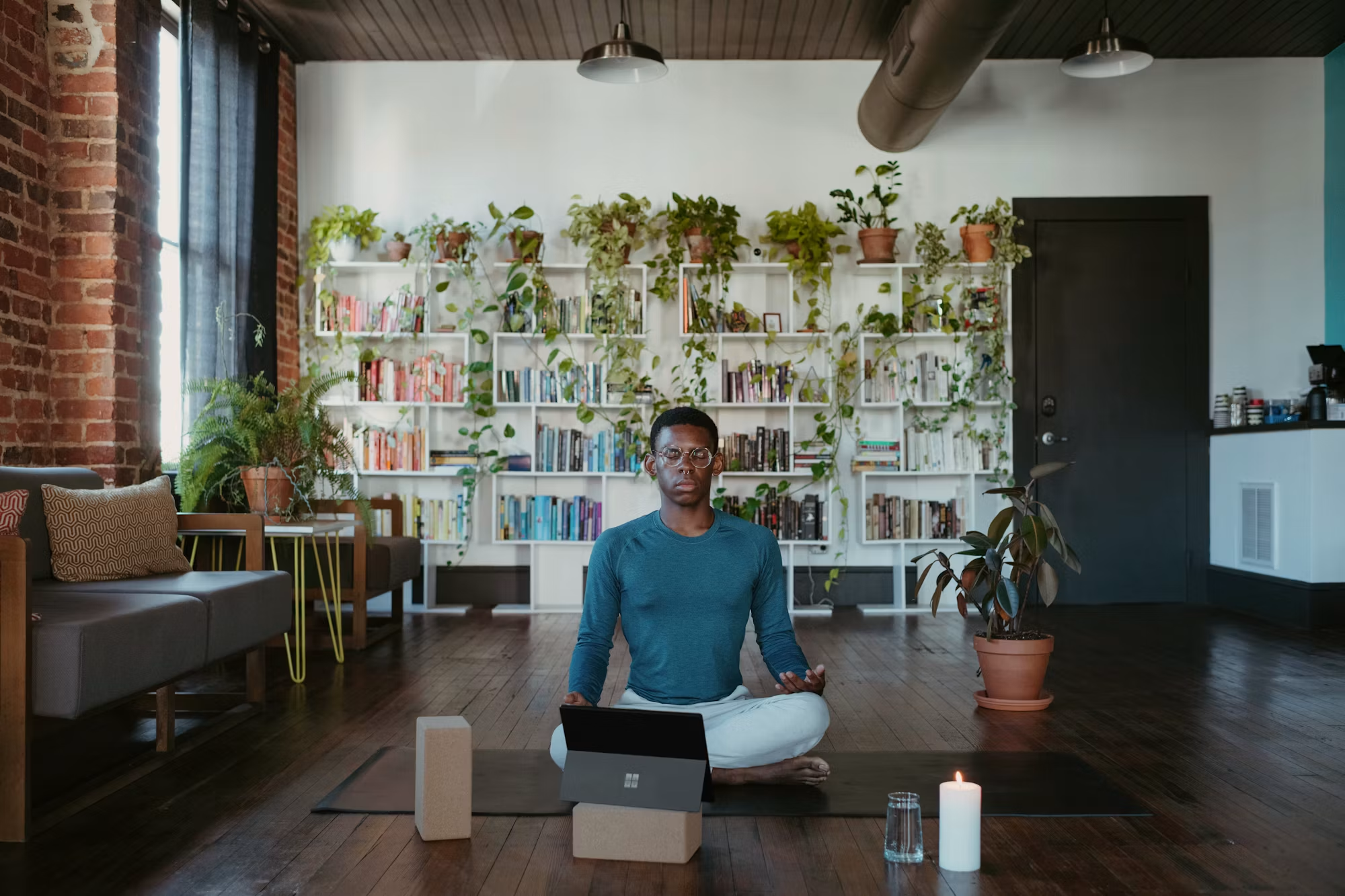
Incorporating mindfulness into the minimalist journey can further enhance the benefits of simplifying one’s life. Mindfulness encourages individuals to be present in the moment, fostering awareness of thoughts, feelings, and actions. By practicing mindfulness, individuals can gain insight into their habits and behaviors, helping them make intentional choices aligned with their values. This self-awareness can lead to greater satisfaction and fulfillment as individuals become more attuned to their true desires and priorities.
One practical strategy for embracing minimalism is the “30-Day Minimalism Game.” This challenge encourages participants to eliminate one item on the first day, two items on the second day, and so forth, culminating in 30 items on the final day. This gamified approach makes decluttering enjoyable and provides a tangible sense of accomplishment as you progress. Not only does it help reduce clutter, but it also encourages a shift in mindset toward valuing experiences over possessions.
Another essential aspect of minimalism is intentional purchasing. As we declutter and simplify our lives, it’s important to approach future purchases with a discerning eye. Before acquiring new items, ask yourself whether they truly add value to your life or if they are simply filling a void. Adopting a “one in, one out” rule can also be helpful; for every new item you bring into your home, consider letting go of another. This practice encourages mindful consumption and helps prevent the accumulation of unnecessary possessions.
Minimalism can also influence our digital lives. In an age dominated by technology, many individuals find themselves overwhelmed by constant notifications, emails, and digital clutter. Consider decluttering your digital space by unsubscribing from unnecessary emails, organizing files on your devices, and limiting social media usage. By streamlining your digital presence, you can create a more peaceful online experience that allows for greater focus and productivity.
Furthermore, minimalism encourages individuals to prioritize experiences over material possessions. Instead of spending money on things that may quickly lose their value, consider investing in experiences that foster connection and personal growth. Whether it’s taking a class, traveling, or spending quality time with loved ones, these experiences often bring greater joy and fulfillment than any material item ever could. Embracing this mindset can lead to a more enriched and meaningful life.
As you embark on your minimalist journey, it’s essential to remember that minimalism is a personal endeavor. There’s no one-size-fits-all approach; each individual’s definition of minimalism may vary based on their unique circumstances and values. Be patient with yourself as you navigate this process, and recognize that it’s perfectly acceptable to take small steps toward simplification. Celebrate your progress, no matter how minor it may seem.
In conclusion, the journey to minimalism is an empowering path toward greater simplicity, clarity, and fulfillment. By reducing physical clutter, prioritizing meaningful experiences, and embracing mindfulness, individuals can create a lifestyle that aligns with their values and enhances their overall well-being. As we navigate an increasingly complex world, minimalism offers a refreshing perspective that encourages us to focus on what truly matters. Whether you choose to adopt minimalism fully or incorporate elements into your life, every step toward simplicity can lead to a more intentional and enriching existence.